
Gaffer Tape for Trade Show Booths
How exhibitors use gaffer tape at trade shows: booth cables, graphics, labels and quick fixes, venue tape rules to check first, and a booth kit checklist.
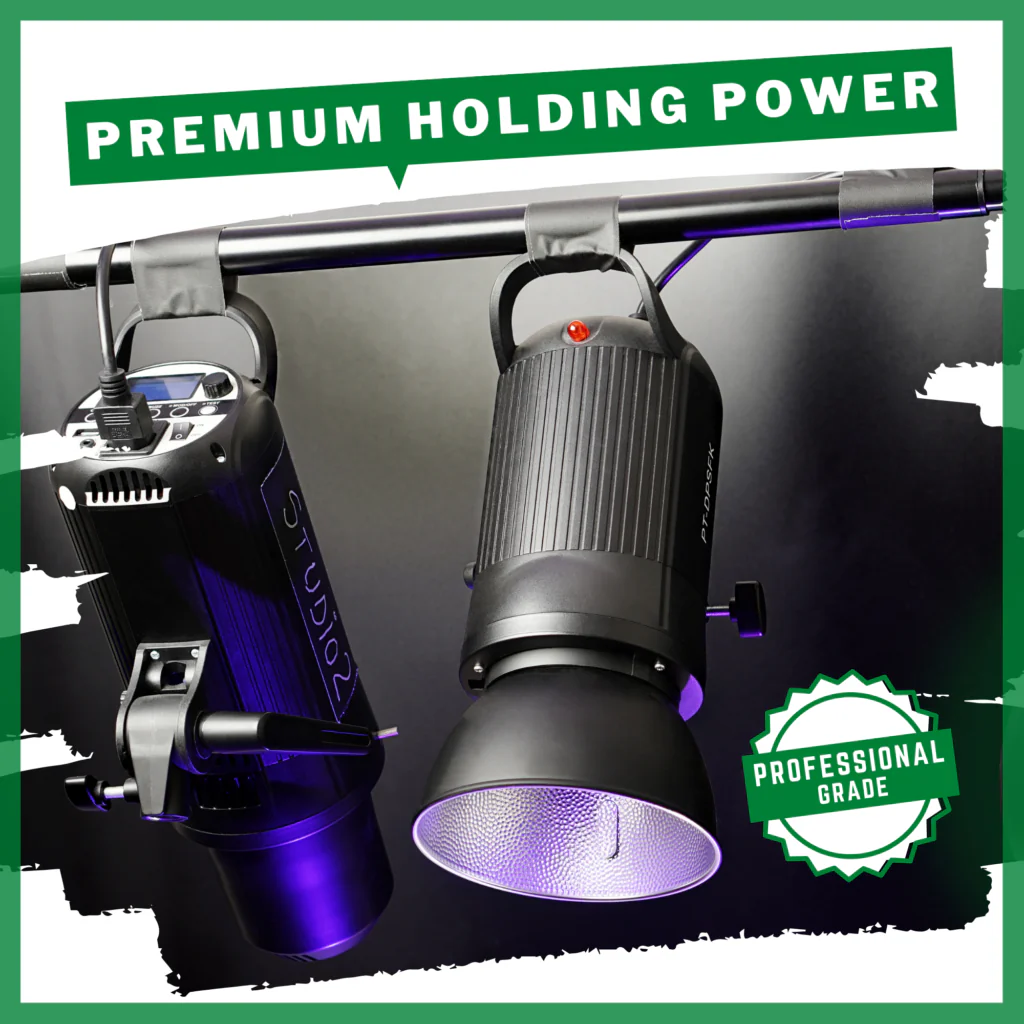
Short answer: At a trade show, gaffer tape secures cables across the booth floor, holds lightweight graphics and signage in place, hides cord runs behind displays, labels shipping cases and makes quick repairs during setup. Before you tape anything, read the exhibitor manual: many convention centers restrict which tapes can touch their carpet, walls and floors. Use black tape for cables and dark displays, white for labels, and remove everything at teardown, peeling slowly.
Trade show setup day is a race against the clock. Graphics need to go up, screens need power, and every cable has to disappear before the doors open. A roll of gaffer tape is one of the most useful things in the booth kit, as long as you use it the way the venue allows.
Check the exhibitor manual first
Convention centers and hotels often set rules on tape because the wrong tape can damage carpet, walls and floors. Common rules include:
- Only approved tape on venue carpet, or no tape on the venue floor at all
- No tape on walls, columns or doors
- Exhibitors pay for any residue or damage left behind
If the venue provides booth carpet, you can usually tape freely on your own carpet or flooring, but check. When in doubt, ask the show’s general contractor.
8 ways to use gaffer tape in a booth
- Cable runs across the booth. Tape power and data cables flat in short strips. Use a full strip or a cable cover where visitors walk. See how to tape cables to carpet safely.
- Hide cords behind displays. Run cables down the back of a counter or monitor stand and tape them to the frame.
- Hold lightweight graphics. Keep a banner edge or foam board from curling. Heavy graphics need their proper hardware.
- Mark your layout. Tape the floor where the counter, screen and stand go so setup is fast and matches the plan.
- Label cases and crates. White tape and a marker: booth number, contents, “open first”.
- Label cables. Mark both ends of every cable so teardown and the next show go faster.
- Quick repairs. A loose panel edge, a split carpet seam on your own flooring, a torn graphic corner.
- Cover light leaks and logos. Black matte tape hides a stray LED or an unwanted logo on rented equipment.
Booth kit checklist
| Item | Why |
|---|---|
| Black gaffer tape, 2 in | Cables, displays, repairs |
| White gaffer tape, 2 in | Labels, layout marks |
| Permanent marker | Labeling on white tape |
| Cable cover or ramp | Walkway crossings |
| Scissors or utility knife | Packing and unpacking, not for the tape |
| Zip ties | Bundling cables before taping |
Teardown without fees
- Peel each strip slowly at a low angle, pulling it back along itself.
- Walk the booth space and check for leftover tape and residue.
- If residue remains, clean it before you leave. See how to remove tape residue.
Frequently asked questions
Can you use tape at a trade show booth?
Usually yes, on your own booth flooring and displays. Venue carpet, walls and floors often have restrictions, so check the exhibitor manual first.
What tape is best for trade show cables?
Gaffer tape. It holds cables flat, has a matte finish that looks clean in a booth, and comes off without residue that could lead to a cleaning charge.
How do I hide cables in a trade show booth?
Route them behind counters, displays and stands, tape them to the frame with black gaffer tape, and use a cable cover where they cross a walkway.
Will gaffer tape leave residue on convention center carpet?
Good gaffer tape usually comes off carpet cleanly, but venues still set their own rules. Follow the exhibitor manual and remove tape promptly at teardown.
Bottom line
Read the manual, tape smart, label everything and leave the space clean. Exhibiting at several shows a year? Buy gaffer tape by the case and keep a roll of each color in every booth kit.
More gaffer tape guides
 Gaffer Tape for Photography Backdrops
How photographers use gaffer tape for seamless paper and fabric backdrops, stands, cables and position marks, plus which color to use and…
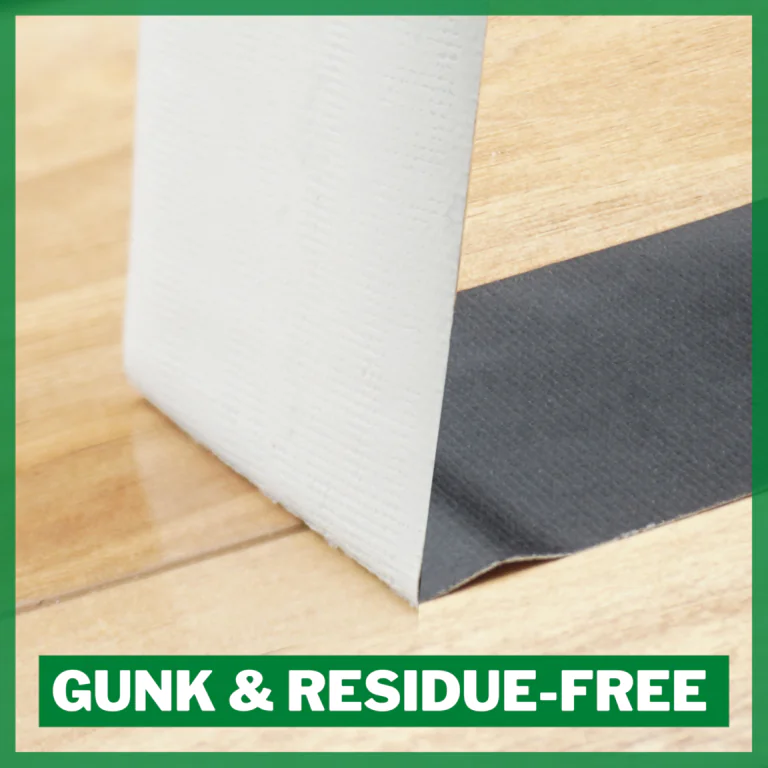 How to Remove Tape Residue Without Damage
How to remove tape residue from floors, walls, glass, metal, plastic and cables without damage, plus why some tape leaves residue and…
 How to Label Moving Boxes and Cables
How to label moving boxes and cables so move-in is fast: what to write, where to put labels, room color codes, cable…