
Black vs White Gaffer Tape: Which to Choose
Black vs white gaffer tape: when each color works best for cables, spike marks, labels, backdrops and on-camera jobs, and how much of each to stock.

Short answer: Use black gaffer tape when the tape should disappear: on stage, in shadow, on camera and on dark gear. Use white gaffer tape when the tape should be seen or written on: spike marks, cable labels, case labels, light backdrops and white walls. Most crews keep both, with black as the main stock.
Gaffer tape comes in many colors, but black and white do almost all of the work. Picking the right one is mostly about one question: do you want people to see the tape or not?
Black vs white gaffer tape at a glance
| Job | Black | White |
|---|---|---|
| Cable runs on stage or set | Best | Use on light floors |
| Anything visible on camera | Best | Only on white or light surfaces |
| Spike marks and floor layouts | Hard to see | Best |
| Labels and cable IDs (with a marker) | Needs a paint pen | Best |
| Hanging white seamless and backdrops | Can show through | Best |
| Blackout fixes, flags, covering light leaks | Best | Not suitable |
| Rigging on black stands and gear | Best | Stands out |
| Hiding dirt and scuffs | Better | Shows dirt |
When to use black gaffer tape
Black is the default color for film, video, theater and live events because it vanishes in low light and on dark surfaces. Use it for:
- Taping cables across stages, sets and dark floors
- Securing gear on black light stands, truss and cases
- Blocking light leaks and holding blackout material
- Any fix that might end up in the shot
Because black is matte and non-reflective, it does not catch stage lights or camera flashes. See black gaffer tape.
When to use white gaffer tape
White is about visibility. It stands out on dark floors and takes a permanent marker cleanly, so it is the go-to for anything you need to read or find quickly. Use it for:
- Spike marks and positions on dark stage floors
- Labeling cables, cases, shelves and equipment
- Hanging white paper and fabric backdrops in photo studios
- Taping on white walls, ceilings and light-colored surfaces
How much of each should you stock?
It depends on your work. Film, theater and event crews usually use far more black than white. Photo studios that shoot on white seamless often use more white. If you are not sure, start with mostly black and a few rolls of white, then track what runs out first.
Buying cases? At Wow Tapes, black and white cases count together toward business pricing, so you can split an order however your team needs. See buying gaffer tape in bulk.
Frequently asked questions
Which gaffer tape color is most popular?
Black. It is the standard for film, theater and live events because it disappears in shadow and on camera.
Can you write on gaffer tape?
Yes. White gaffer tape takes permanent marker well, which makes it ideal for labels and cable IDs. On black tape, use a white or silver paint pen.
Is white gaffer tape the same as black except for color?
For Wow Tapes, yes. Both colors use the same natural rubber adhesive and matte cloth backing, in the same 2 in x 50 yd size.
What is white gaffer tape used for in photography?
Photographers use it to hang white seamless paper and backdrops, mark positions on the floor and label gear, because it blends into light backgrounds.
Related: gaffer tape for photography backdrops · video podcast studio setup
Bottom line
Black hides, white shows. Keep black as your main stock for cables and rigging, and white on hand for marks, labels and light backdrops. Both are available as Wow gaffer tape in packs of 1, 2 and 6 and cases of 24.
More gaffer tape guides
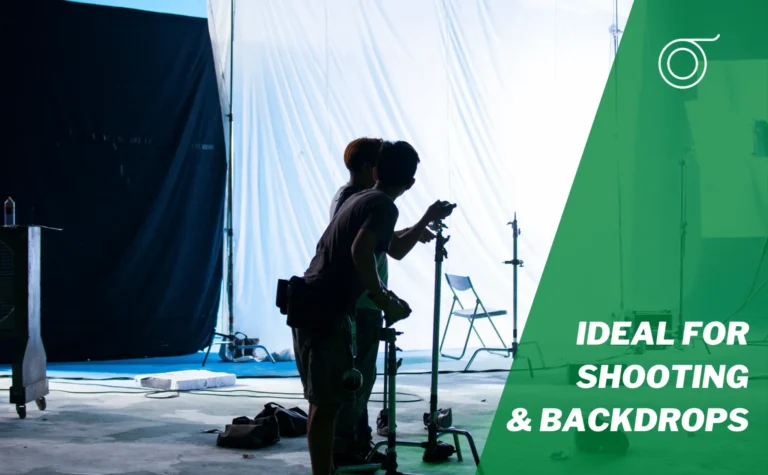 Gaffer Tape for Photography Backdrops
How photographers use gaffer tape for seamless paper and fabric backdrops, stands, cables and position marks, plus which color to use and…
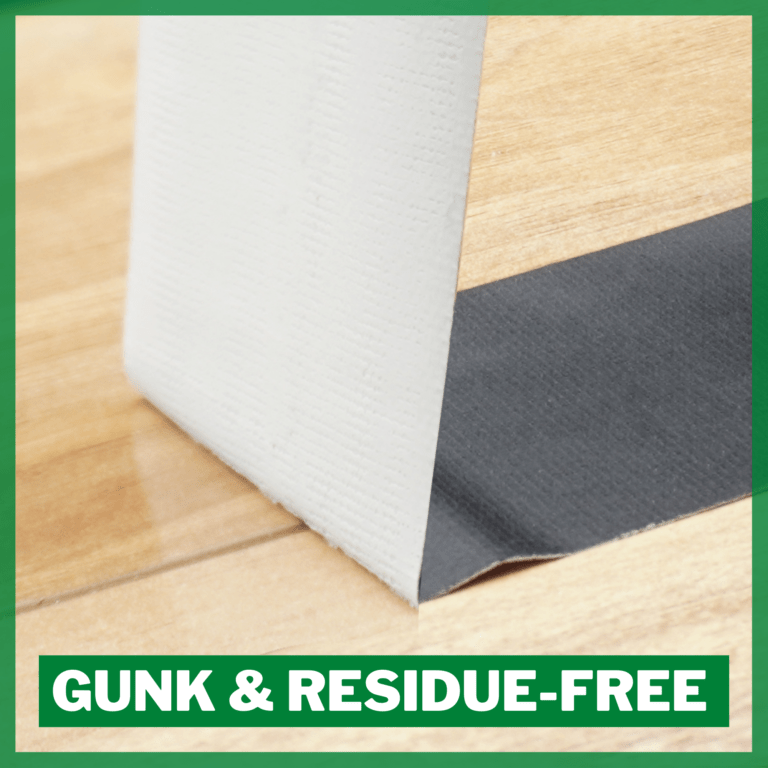 How to Remove Tape Residue Without Damage
How to remove tape residue from floors, walls, glass, metal, plastic and cables without damage, plus why some tape leaves residue and…
 How to Label Moving Boxes and Cables
How to label moving boxes and cables so move-in is fast: what to write, where to put labels, room color codes, cable…