Video Podcast Studio Setup: Cables and Marks
How to set up a clean home video podcast studio: hiding cables on camera, marking positions so every episode matches, backdrops, labels and light leaks.
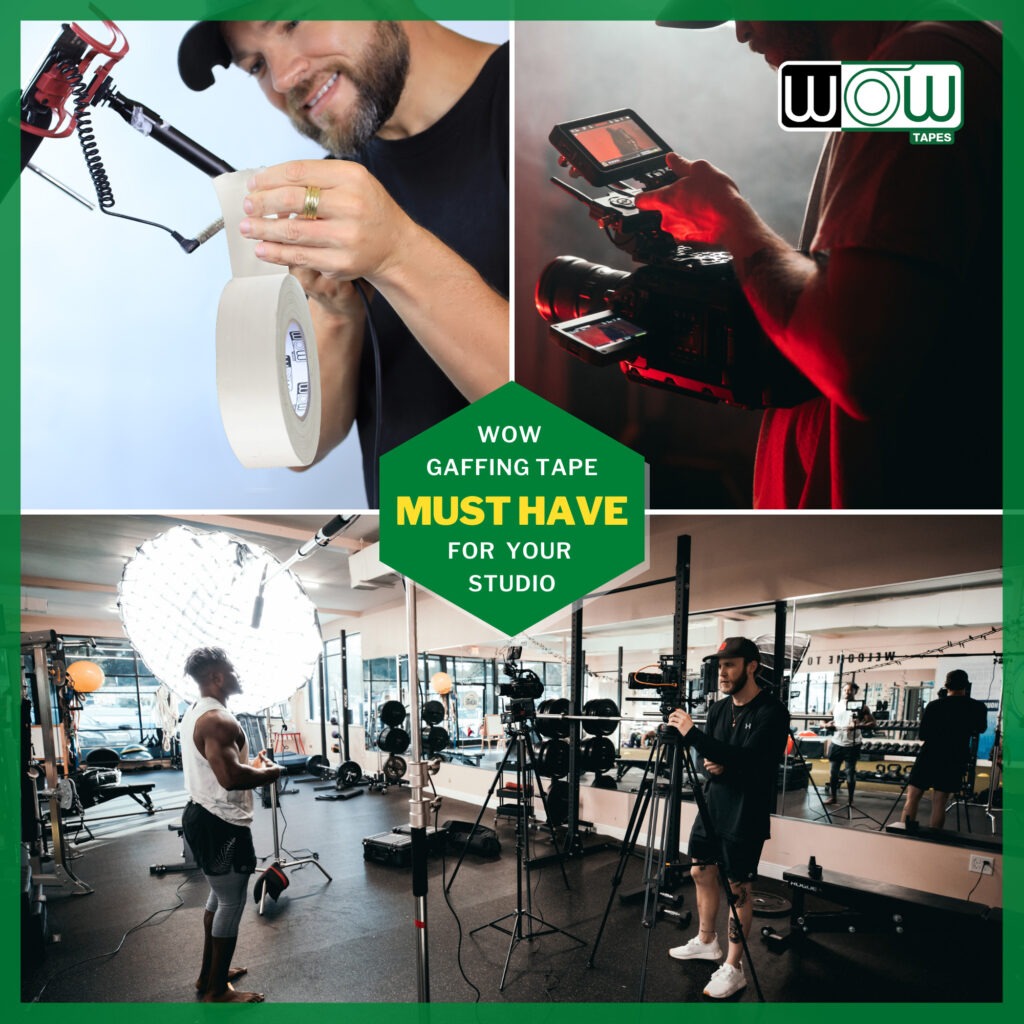
Short answer: A home video podcast studio needs four things to look professional: a clean background, controlled light, good audio and no visible mess. Gaffer tape handles the mess. Use it to route and hide cables, mark chair, camera and light positions so every episode matches, hang a backdrop or acoustic fabric, label mics and cables, and block light leaks. Black tape disappears on camera; white tape is best for labels and floor marks.
Video podcasts are now the default format for creators, brands and businesses. More people are building studios in spare rooms, closets and office corners. The gear gets the attention, but what separates an amateur setup from a professional one is often the boring stuff: tidy cables, consistent framing and a set that looks the same every week.
The basic home podcast studio
| Element | What you need | Where tape helps |
|---|---|---|
| Background | Bookshelf, backdrop or acoustic panels | Hanging lightweight backdrops and fabric |
| Lighting | Key light, fill light, back light or LED panel | Securing stands, blocking light leaks |
| Audio | Mics on boom arms, interface, sound treatment | Taping cables along arms and desks |
| Camera | One or more cameras at eye level | Marking tripod and chair positions |
| Cables | Power, audio, video, USB | Routing and hiding every run |
6 ways to use gaffer tape in a podcast studio
1. Hide cables on camera
Run cables along the back of the desk, down a table leg and along the floor behind the camera line. Tape them in short strips with black gaffer tape, which has a matte finish and will not reflect your lights.
2. Mark your positions
Put small marks on the floor for chair legs, tripod feet and light stands. When you set up next week, everything goes back in the same spot and your framing matches. Use white tape torn narrow, as described in gaffer vs spike vs console tape.
3. Hang backdrops and sound fabric
Lightweight fabric, paper backdrops and moving blankets for sound control can be held with gaffer tape for a session. For permanent acoustic panels, use proper mounts. See gaffer tape for backdrops.
4. Label mics and cables
White tape with a marker on each cable end and mic (“Host”, “Guest 1”) saves time when something stops working mid-recording.
5. Kill reflections and light leaks
Cover a shiny logo, an LED on a device, or a gap in a window shade that shows on camera. Matte black tape makes it disappear.
6. Secure stands on a busy set
Tape light stand legs and tripod feet to the floor if guests move around, so a bumped stand does not ruin a take.
Small-room tips
- Closets and small rooms often sound better than large ones, because soft materials absorb echo.
- Keep cables on the side of the room away from where guests walk.
- Take a photo of your finished setup next to your floor marks so you can rebuild it fast.
Frequently asked questions
How do I hide cables in a video podcast setup?
Route cables behind the desk and outside the camera frame, then secure them with short strips of black gaffer tape. Its matte finish will not reflect studio lights.
How do I keep my podcast framing the same every episode?
Mark chair, tripod and light stand positions on the floor with small pieces of tape, and take a reference photo of the setup.
What tape should I use to label podcast cables?
White gaffer tape and a permanent marker. It holds through regular plugging and unplugging and peels off cleanly when you change setups.
Can I use gaffer tape to hang acoustic panels?
For lightweight fabric and temporary sound blankets, yes. Rigid acoustic panels should use their own mounts or rated adhesive strips.
Related: desk cable management with gaffer tape
Bottom line
Great gear deserves a tidy set. Keep black gaffer tape for cables and light control and white for labels and marks. See Wow gaffer tape, matte, natural rubber adhesive, 50 yards per roll.
More gaffer tape guides
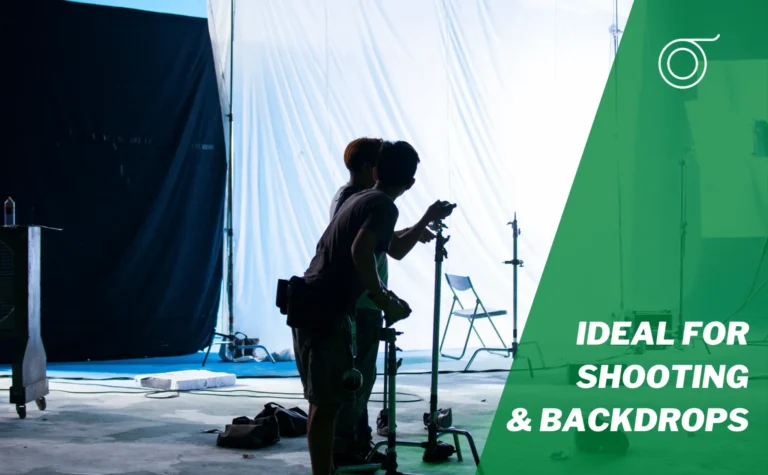 Gaffer Tape for Photography Backdrops
How photographers use gaffer tape for seamless paper and fabric backdrops, stands, cables and position marks, plus which color to use and…
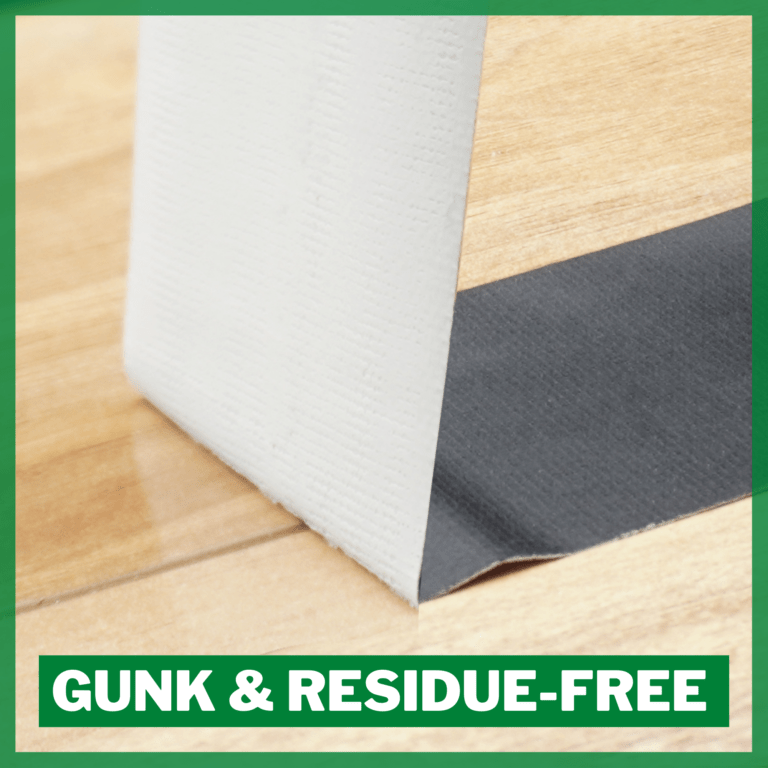 How to Remove Tape Residue Without Damage
How to remove tape residue from floors, walls, glass, metal, plastic and cables without damage, plus why some tape leaves residue and…
 How to Label Moving Boxes and Cables
How to label moving boxes and cables so move-in is fast: what to write, where to put labels, room color codes, cable…