
Gaffer Tape vs Duct Tape: Which One to Use
Gaffer tape vs duct tape: backing, finish, adhesive, residue, water resistance and price compared, with clear advice on when to use each.
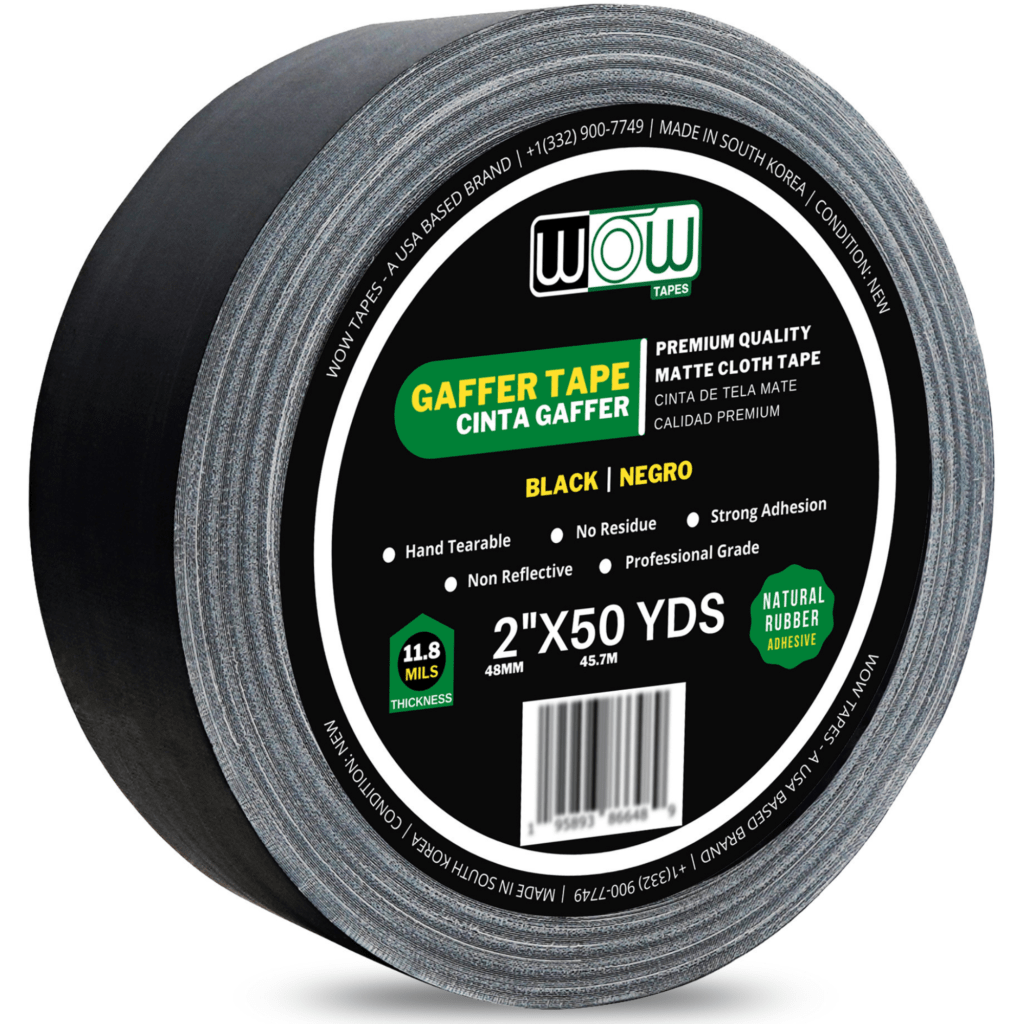
Short answer: Use gaffer tape for anything temporary, especially on floors, gear, walls and anything that will be on camera. Use duct tape for rough, longer-term repairs where residue does not matter and you need water resistance. Gaffer tape has a matte cloth backing and comes off clean. Duct tape has a shiny plastic face and usually leaves residue.
From a distance, gaffer tape and duct tape look like the same thing. Both come on big rolls, both tear by hand, and both stick to almost anything. But they are built for opposite jobs, and using the wrong one can cost you a damaged floor, a ruined backdrop or an hour of scraping goo off rented gear.
Gaffer tape vs duct tape at a glance
| Gaffer tape | Duct tape | |
|---|---|---|
| Backing | Cloth, often with a light coating | Cloth scrim with a polyethylene (plastic) coating |
| Finish | Matte, non-reflective | Shiny |
| Adhesive | Made to release cleanly (natural rubber in professional tapes) | Aggressive, often leaves residue |
| Removal | Clean from most finished surfaces | Often leaves a sticky film |
| Hand tearing | Tears straight | Tears, but can stretch and fray |
| Water resistance | Moderate | Good |
| Typical use | Temporary: cables, rigging, marking, sets, events | Longer-term repairs, outdoor patches, rough work |
| Price | Higher per roll | Lower per roll |
When to use gaffer tape
- Taping cables to floors at events, offices and venues, especially carpet, hardwood and rented spaces.
- Film, photo and video work, where a shiny tape would reflect light or show on camera.
- Anything you will remove later, including temporary signs, floor marks and backdrops.
- Taping to gear like light stands, cases and instruments, where residue would be a problem.
When to use duct tape
- Patching a tarp, hose or bin where looks and residue do not matter.
- Outdoor jobs that need to shrug off rain.
- Bundling or reinforcing things that will not be taken apart soon.
One surprise: despite the name, duct tape is usually a poor choice for sealing HVAC ducts. Building codes typically call for foil tape or tape listed for that use.
Why gaffer tape costs more
Gaffer tape uses a cloth backing and, in professional grades, a natural rubber adhesive. Both cost more to make than the plastic-coated backing and synthetic adhesives used in most duct tape. What you pay for is clean removal. If a cheaper tape leaves residue, the savings disappear the moment someone spends an hour cleaning a floor, or a venue charges you for damage.
Can you use duct tape instead of gaffer tape?
For a quick, rough fix that nobody will see and that does not need to come off cleanly, yes. For cables on a client’s floor, anything on camera, or anything that touches rented equipment, no. The residue and shine are exactly the problems gaffer tape exists to solve.
Frequently asked questions
Is gaffer tape stronger than duct tape?
Not necessarily stronger, but different. Duct tape often has a more aggressive bond, while gaffer tape is designed to hold firmly and then release cleanly. For temporary jobs, gaffer tape is the better tool.
Does gaffer tape leave residue like duct tape?
Good gaffer tape does not leave residue on most finished surfaces. Duct tape often does, especially after heat or long periods on a surface.
Why is gaffer tape matte?
The matte finish stops the tape from reflecting stage and studio lights, so it stays out of sight on camera and on stage.
Is gaffer tape waterproof?
Gaffer tape is water resistant but not built for long outdoor exposure. For wet, long-term outdoor repairs, duct tape is usually the better choice.
Related: how to tape cables to carpet safely · renter-friendly uses for gaffer tape
Bottom line
If it is temporary, use gaffer tape. If it is a rough, lasting repair where looks do not matter, duct tape will do. For crews who need tape that holds all day and peels off clean, Wow gaffer tape uses a natural rubber adhesive on a matte cloth backing, in black and white. Not sure which gaffer tape to buy? Read how to choose gaffer tape.
More gaffer tape guides
 Gaffer Tape for Photography Backdrops
How photographers use gaffer tape for seamless paper and fabric backdrops, stands, cables and position marks, plus which color to use and…
 How to Remove Tape Residue Without Damage
How to remove tape residue from floors, walls, glass, metal, plastic and cables without damage, plus why some tape leaves residue and…
 How to Label Moving Boxes and Cables
How to label moving boxes and cables so move-in is fast: what to write, where to put labels, room color codes, cable…